Ingredient reference — ten plants across Mikoherb and Mikotea
Both formulas are plant-based, and every ingredient is listed here with its botanical name, the part of the plant used and its role in the blend. The descriptions refer to traditional cosmetic use. They are not claims of therapeutic action, and links to public sources are provided so you can read further.
How to read this page
Cosmetic ingredients are described by what they contribute to a formula — scent, texture, sensation, tradition of use — not by medical effect. That distinction is the whole reason this page exists in this form. Where a plant has a long research literature, a PubMed search link is given so you can look at the primary sources rather than take a marketing sentence at face value.
For the regulatory side, the European Commission maintains CosIng, the database of cosmetic ingredients used in the EU, and COSMILE Europe publishes plain-language explanations of what individual INCI names mean.
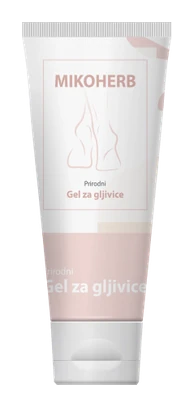
Mikoherb — six ingredients
The gel combines five essential oils with one flower extract. Oregano and tea tree dominate the scent; peppermint provides the cooling sensation; chamomile and lavender exist largely to make an essential-oil blend tolerable in daily use.
| Plant | Botanical name | Part used | Role in the formula |
|---|---|---|---|
| <a href="https://pubmed.ncbi.nlm.nih.gov/?term=Origanum%20vulgare%20essential%20oil" rel="noopener">Oregano</a> | Origanum vulgare | Aerial parts (oil) | The dominant scent note. Used at low concentration in cosmetics for problem skin because it is very intense undiluted. |
| <a href="https://pubmed.ncbi.nlm.nih.gov/?term=Melaleuca%20alternifolia%20tea%20tree%20oil%20skin" rel="noopener">Tea tree</a> | Melaleuca alternifolia | Leaf (oil) | The most recognisable ingredient in foot-care cosmetics; its long tradition in the category is why it appears in almost every comparable product. |
| <a href="https://pubmed.ncbi.nlm.nih.gov/?term=Mentha%20piperita%20essential%20oil" rel="noopener">Peppermint</a> | Mentha × piperita | Leaf (oil) | Produces the cooling sensation immediately on application — often the reason a daily routine survives. |
| <a href="https://pubmed.ncbi.nlm.nih.gov/?term=Matricaria%20chamomilla%20extract%20skin" rel="noopener">Chamomile</a> | Matricaria chamomilla | Flower (extract) | Classic softening component; makes the blend more tolerable for sensitive skin than the oils alone. |
| <a href="https://pubmed.ncbi.nlm.nih.gov/?term=Lavandula%20angustifolia%20oil" rel="noopener">Lavender</a> | Lavandula angustifolia | Flower (oil) | Rounds off the overall scent; widely used in skin-care cosmetics. |
| <a href="https://pubmed.ncbi.nlm.nih.gov/?term=Foeniculum%20vulgare%20essential%20oil" rel="noopener">Fennel</a> | Foeniculum vulgare | Seed (oil) | Completes the plant part of the formula, used in small amounts as an aromatic, balancing component. |

Mikotea — four herbs
The soak is a blend of dried plant material rather than an oil formula. It is brewed like a decoction and used externally only.
| Plant | Botanical name | Part used | Role in the blend |
|---|---|---|---|
| <a href="https://pubmed.ncbi.nlm.nih.gov/?term=Lavandula%20flos" rel="noopener">Lavender flower</a> | Lavandula flos | Flower | Carries the scent and gives the blend its calming character; lavender has been used in foot baths for centuries. |
| <a href="https://pubmed.ncbi.nlm.nih.gov/?term=Glycyrrhiza%20glabra%20root" rel="noopener">Licorice root</a> | Glycyrrhiza radix | Root | A classic component of herbal blends; in decoctions it lends a mild, rounded character that tempers the sharper herbs. |
| <a href="https://pubmed.ncbi.nlm.nih.gov/?term=Juglans%20regia%20leaf" rel="noopener">Walnut leaf</a> | Juglans folium | Leaf | Traditional in skin baths, and the reason a Mikotea decoction turns dark. The colour is expected, not a defect. |
| <a href="https://pubmed.ncbi.nlm.nih.gov/?term=Chelidonium%20majus" rel="noopener">Greater celandine</a> | Chelidonium majus | Aerial parts | A well-known folk plant for external skin care, present in a small proportion as part of the classic recipe. External use only. |
Essential oils and dried herbs are common triggers for contact reactions in sensitive skin. Test any new product on a small patch of forearm and wait 24 hours. Do not apply to broken skin or use a soak on feet with open wounds. During pregnancy and breastfeeding, ask a professional before using cosmetics containing essential oils. In diabetes or circulatory conditions, warm foot soaks should be agreed with the professional who follows you.
What the descriptions do not mean
Every sentence on this page describes traditional cosmetic use. None of them says that a plant treats an infection, cures a condition or replaces anything a professional might recommend. That is not caution for its own sake: the honest boundary of a cosmetic is the skin surface and the appearance of the nail plate, and a page that pretends otherwise is not worth reading.
If you want to go deeper on any of these plants, the PubMed links above return the primary literature — including the studies that found nothing. That is the point of linking to a search rather than to one selected paper.
See the formulas in context
The product pages explain how each blend is used, in what quantity and on what schedule.
Read about Mikoherb